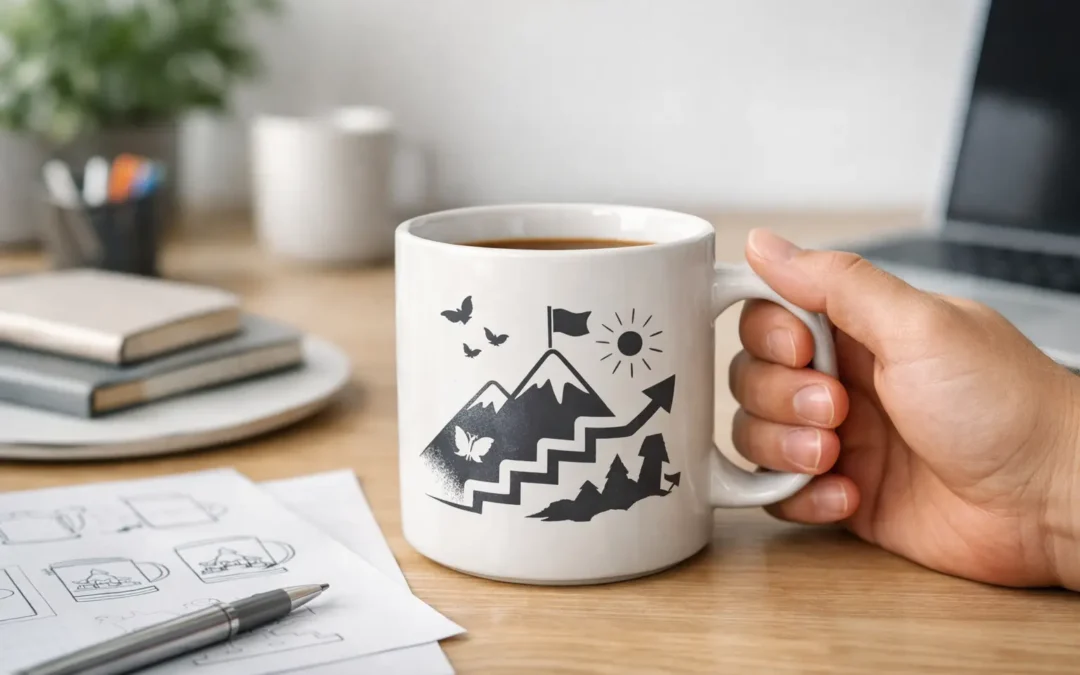
A recovery mug gets seen in quiet moments – early coffee before a meeting, tea after a long day, that pause at the kitchen counter when someone remembers why they started. That is why learning how to design recovery milestone mug artwork the right way matters. The best designs do more than look good. They help mark time, honor effort, and give someone a daily reminder that their recovery deserves to be seen.
Start with the milestone, not the artwork
When people begin designing a sobriety mug, the first instinct is often to pick colors or fonts. But the stronger starting point is the milestone itself. A 30-day mug carries a different feeling than a 5-year mug. A gift for a sponsor says something different than a mug made for your own morning routine. The design should follow that meaning.
Think about what the mug is meant to celebrate. It could be a clean date, a sober anniversary, a first holiday in recovery, or a thank-you gift from a sponsee to a sponsor. Once that purpose is clear, the rest of the design becomes easier to shape. You are not just adding text to a mug. You are giving form to a piece of someone’s story.
How to design a recovery milestone mug that feels personal
A meaningful mug usually includes three layers: the milestone, the identity, and the message. The milestone is the anchor. This might be the number of months or years, or a full sobriety date. Identity is what makes it belong to one person or one recovery circle. That can be a first name, a group name, or a role like Sponsor, Sponsee, or One Day at a Time.
Then comes the message. This is where warmth matters most. Some people want simple wording like 1 Year Sober or Celebrating 5 Years. Others want language that feels more intimate, such as Progress Not Perfection, Grateful and Clean, or Keep Coming Back. There is no single right choice. It depends on who the mug is for and how visible or private they want their recovery language to be.
That balance is worth paying attention to. A bold, public design can feel empowering for one person and too exposed for another. If the mug is a gift, think about what the recipient would actually feel comfortable using every day.
Choose details that carry emotional weight
The most memorable personalization is usually the simplest. A name and sobriety date can say more than a crowded layout full of extra phrases. If you want to add more, make sure each piece earns its place.
Good details often include a first name, recovery date, milestone number, group or fellowship reference, or a short phrase that has personal meaning. A mug for an old timer may call for a steadier, more classic design. A mug for a newcomer might feel better with encouraging language that speaks to fresh hope and momentum.
Try to avoid filling every inch. White space helps the important words stand out. It also makes the mug feel calmer, which fits the spirit of recovery better than a design that feels loud or cluttered.
Pick a style that matches the person
A recovery milestone mug should feel like it belongs in the recipient’s life. Some people love clean and minimal design. Others want something more expressive, with bolder type or a stronger visual statement. Neither approach is better. The best choice is the one that reflects the person using it.
If the mug is for daily use at home or work, readability matters more than decorative flourishes. Large, clear text makes the milestone easy to see and easy to hold onto emotionally. If the mug is meant more as a keepsake, you may have more room for layered elements and softer styling.
Color also plays a role, but it should support the message instead of overpowering it. Neutral tones can feel grounded and timeless. Brighter colors can bring warmth and celebration. If the design includes a sobriety date or milestone number, make that the visual focal point so the message stays clear at a glance.
Fonts matter more than most people expect
Font choice shapes the emotional tone right away. Script fonts can feel warm and personal, but they can also become hard to read if the text is long. Bold sans serif fonts feel direct, steady, and modern. Serif fonts can bring a sense of tradition and significance.
For many recovery mugs, a mix works best. Use a simple font for the key facts like the date or year count, then add a softer accent font for a short phrase if needed. What matters is clarity. If someone has to squint to read the milestone, the design is doing less than it could.
Keep the message supportive and honest
Recovery language is deeply personal. Some people connect with phrases tied closely to meetings and fellowship culture. Others prefer broader words about strength, growth, gratitude, or perseverance. When deciding how to design recovery milestone mug text, choose language that feels true rather than generic.
A strong mug message does not need to be dramatic. Often the most powerful words are the plain ones. Clean since 2021. 24 Hours at a Time. Grateful for Another Year. Proud of My Progress. These work because they feel lived in.
If the mug is being given as a gift, think about whether the wording should celebrate, encourage, or honor. Celebration might center the milestone. Encouragement might focus on today’s commitment. Honor might recognize service, sponsorship, or years of steady example in the community.
There is also a real difference between inspiration and pressure. A mug should feel supportive, not like a performance piece. The right design meets people where they are.
Design for everyday use, not just the gift moment
One of the reasons a mug makes such a meaningful recovery gift is that it becomes part of a routine. That practical role should shape the design. A message that feels touching at a party still needs to feel comfortable on an ordinary Tuesday morning.
This is where simpler is often stronger. A clean layout, easy-to-read text, and thoughtful personalization tend to age well. Trends come and go, but a design rooted in the person’s milestone and identity keeps its meaning.
It also helps to think about the size and surface of the mug. On a 15 oz mug, there is enough room for personalization, but not enough room for every possible idea. Editing is part of good design. If you are deciding between adding another phrase or keeping the layout clean, clean usually wins.
A few common design mistakes to avoid
The most common mistake is trying to say too much. Names, dates, slogans, symbols, long quotes, and multiple fonts can quickly compete with each other. Another issue is choosing decoration over legibility. If the milestone is the reason for the mug, it should never be hidden.
A third mistake is making the design about the giver instead of the person in recovery. Gift buyers mean well, but the best mugs reflect the recipient’s journey, language, and comfort level. That small shift makes the mug feel more respectful and more personal.
Make it gift-worthy without losing sincerity
A recovery milestone mug can absolutely feel special enough to give, even though it is practical. The key is intention. A personalized design turns a daily object into a reminder of commitment, progress, and community support.
That is especially meaningful in recovery, where small daily rituals carry so much weight. Coffee before work, tea after a meeting, a quiet moment before the house wakes up – those are the spaces where encouragement lands. A mug that marks a milestone can meet someone there again and again.
If you are designing for a sponsor, think about gratitude and respect. If it is for a sponsee or newcomer, think about encouragement and possibility. If it is for yourself, be honest about what you want to see each morning. Pride, peace, accountability, hope – any of those can belong on the mug if they feel real.
At Recovery Gifts, that is the heart behind personalization. It is not about adding custom text for the sake of it. It is about creating something that feels seen, useful, and worth reaching for every day.
Let the mug reflect progress, not perfection
The best recovery designs do not try to make a journey look polished. They honor the fact that growth happens one day at a time. A mug can hold that truth quietly. It can celebrate a major anniversary, or simply remind someone that today’s commitment matters.
So if you are deciding how to create one, start with what the milestone means, keep the design clear, and choose words that feel steady enough to live with. The right mug does not need to say everything. It just needs to say the right thing, at the right time, for the right person.