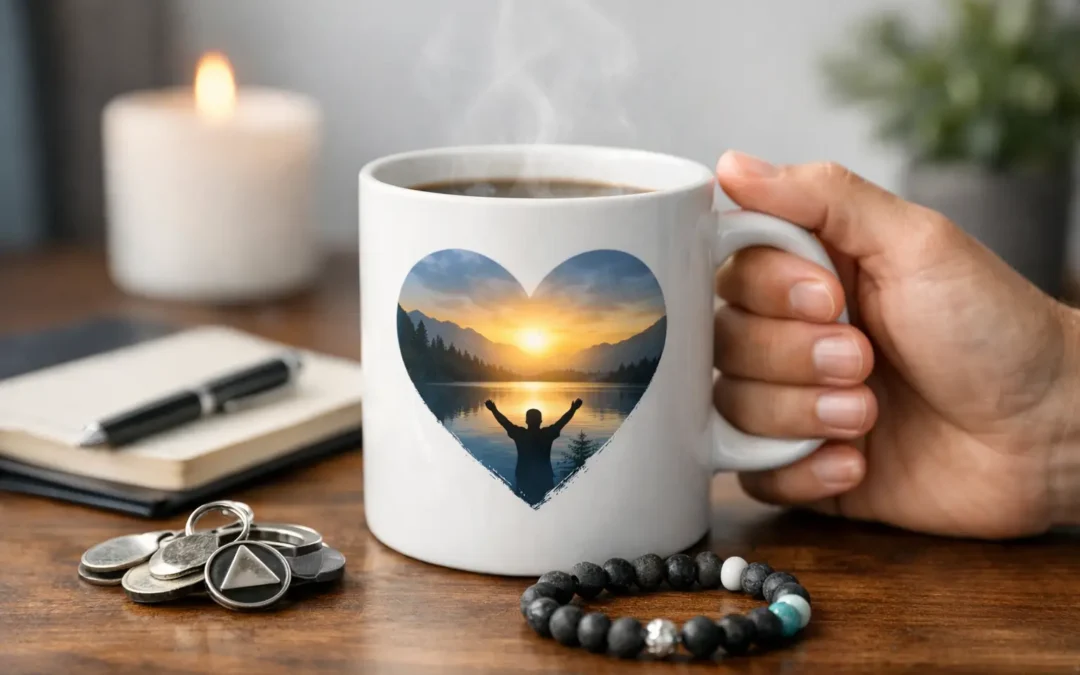
A recovery mug gets used in the quiet moments – early coffee before work, tea after a meeting, that pause at the kitchen counter when you need to remember how far you’ve come. That’s why figuring out what to put on recovery mug designs matters more than most people think. The best wording is not just decorative. It should feel personal, steadying, and true to the person holding it.
Some mugs are made to celebrate a big milestone. Others are meant to support one ordinary day at a time. Both are valuable. What you choose to include depends on who the mug is for, what part of the journey it marks, and how visible or private you want that message to be.
What to put on recovery mug for daily meaning
The strongest recovery mugs usually center on one or two details that carry real emotional weight. A name is often the first place to start. Seeing your own name on a mug can make it feel grounded and personal, especially when recovery has become part of your identity and your daily commitment.
A sobriety date is another meaningful choice. For many people, that date is more than a number. It marks a turning point, a beginning, and a promise kept through hard days and good ones. Adding the clean date makes the mug feel specific to one person’s story instead of generic encouragement.
Some people also include a group name, home group, or recovery circle reference. That can be especially powerful if the mug is a gift from peers, a sponsor, or a sponsee. It reminds the person receiving it that recovery is personal, but never fully solitary.
If you want the mug to feel simple and classic, a first name plus sobriety date may be all you need. If you want it to feel more communal, adding a short phrase or group reference can deepen the message.
The most meaningful personalization ideas
There is no single right answer to what belongs on a recovery mug, but there are a few options that consistently feel heartfelt and useful.
Name and sobriety date
This is the clearest and most timeless combination. It honors the individual and the milestone without saying too much. It works well for anniversary gifts, newcomer encouragement, and personal daily use.
Examples include a first name with a clean date beneath it, or a name paired with wording like Sober Since or One Day at a Time. This style is direct, meaningful, and easy to live with every day.
Milestone wording
If the mug is for a celebration, consider including the number of years, months, or days in recovery. A first year anniversary may call for bold recognition. Ten years might deserve wording that feels steady and honoring rather than flashy.
This can be as simple as 1 Year Sober, 5 Years Strong, or Celebrating 365 Days. The trade-off is that milestone-specific text feels very commemorative, but slightly less flexible than a name-and-date design. That is not a bad thing. It just depends on whether you want the mug to mark a moment or support the everyday.
A recovery phrase that actually means something
Short sayings work best when they already matter to the person receiving the mug. That could be something they repeat often, a phrase heard in meetings, or words that helped them through early recovery.
Good examples are One Day at a Time, Progress Not Perfection, Keep Coming Back, Easy Does It, and Let Go and Let God if that fits their spiritual path. The key is choosing a phrase that feels authentic rather than inspirational for inspiration’s sake.
Sponsor or group recognition
A mug can also be a beautiful way to honor connection. A sponsee might give a mug to a sponsor with the sponsor’s name, clean date, and a simple thank-you message. A group might create matching mugs for an anniversary, retreat, or service milestone.
In these cases, adding the group name or a line like Grateful for Your Guidance can make the gift feel even more personal. It speaks to the relationship, not just the recovery date.
What makes a recovery mug feel personal, not generic
A lot of personalized gifts look nice at first glance but do not say anything real. Recovery mugs are different when the wording reflects lived experience. The message does not need to be long. It just needs to feel honest.
That may mean choosing language that matches the person’s style. Some people prefer quiet, minimal wording. Others love proud, visible celebration. Some want a spiritual message. Others want something centered on strength, resilience, or community. The best design respects that difference.
It also helps to think about where the mug will be used. If it is going to sit at home, the wording can be more intimate. If the person will take it to work or meetings, they may prefer something more understated. A mug can still be deeply meaningful without sharing every detail publicly.
What to avoid when deciding what to put on recovery mug designs
Not every good intention turns into a good gift. Some wording can feel too vague, too crowded, or too impersonal.
One common mistake is trying to fit too much onto the mug. A name, full quote, group title, sobriety date, milestone, and long dedication can start to compete with each other. The message gets diluted. Usually, two or three thoughtful elements create the strongest result.
Another issue is using language that does not match the recipient’s recovery experience. If they are private, a loud statement may feel uncomfortable. If they value a certain phrase or path, a generic quote may miss the mark. Recovery is deeply personal, and the gift should reflect that.
It is also wise to double-check dates, spellings, and group names. In recovery gifts, those details carry emotional weight. Getting them right shows care.
Best wording ideas for different recovery gifts
The right mug wording often depends on who is receiving it.
For yourself, a grounding daily reminder often works best. Your name, clean date, and a phrase you actually lean on can turn a simple mug into part of your routine. It is not about showing off. It is about staying connected to your why.
For a sponsor, appreciation matters. Their name, sobriety date, and a short message of gratitude can say a lot without becoming overly sentimental. Something simple and sincere usually lands best.
For a newcomer, encouragement should feel hopeful, not heavy. A first name, a fresh sobriety date, and a phrase like One Day at a Time can feel supportive and steady. It honors the beginning without putting pressure on it.
For an old timer or anniversary celebration, respect and recognition matter. Highlighting a long-term sobriety milestone with clean, confident wording can make the mug feel like the tribute it is meant to be.
For a group gift, shared identity becomes the focus. A group name, event title, or anniversary year can make the mug feel like a keepsake tied to community and belonging.
Keep the design clear and emotionally strong
The best recovery mugs are easy to read and easy to connect with. Clear wording often carries more power than clever wording. A simple design gives the message room to breathe.
That is especially true for a daily-use item. A mug should feel comforting to reach for, not visually busy. If the words are meaningful enough, they do not need a lot of extra decoration to matter.
At Recovery Gifts, the most lasting custom mugs tend to be the ones that balance practicality with real emotional meaning. They work because they are used often, and every use quietly reinforces identity, progress, and support.
A few simple combinations that work well
If you are still unsure, start with combinations that are hard to miss. A first name and sobriety date is always a strong choice. A recovery phrase with a milestone year also works beautifully. For a sponsor or peer gift, a name with a brief thank-you line can feel deeply personal without becoming too long.
If the person has a phrase they live by, use that. If the date is the heart of the story, lead with that. If community has been central to their recovery, include the group connection. The best choice is usually the one that feels instantly recognizable to the person receiving it.
A recovery mug does not need many words to mean a lot. It just needs the right ones – the ones that remind someone who they are, what they have built, and why today still matters.